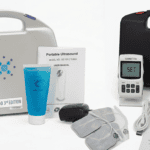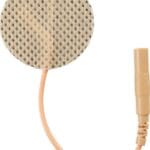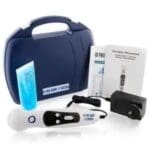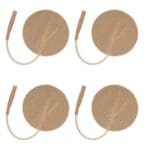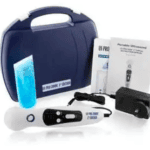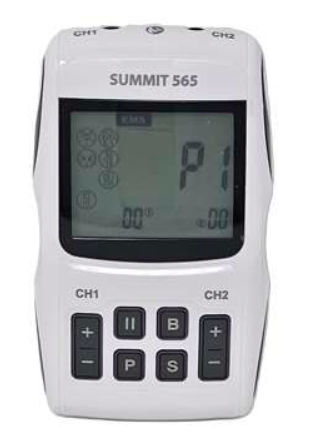
EMS therapy machines use small electrical pulses to make your muscles contract. The machine connects to your body through sticky pads called electrodes, which are placed on the skin over the target muscle. These electrical signals copy the natural signals your nervous system sends to your muscles every day.
EMS machines are often used for:
– Injury recovery
– Physical rehabilitation
– Preventing muscle loss during inactivity
– Athletic recovery and training support
Unlike TENS machines, which mainly help with pain relief, EMS machines focus on muscle movement and muscle activation. In other words, TENS targets pain signals, while EMS targets the muscles themselves.
EMS machines send electrical pulses through electrodes placed on your skin. These pulses travel to the muscles underneath and cause them to contract and relax automatically. You do not need to move the muscle yourself. The machine does the stimulation for you.
The Basic Process
Here is what usually happens during an EMS session:
– Electrodes are placed over the target muscle.
– The machine sends low-voltage electrical signals.
– These signals reach the motor nerves.
– The nerves trigger the muscle fibers to contract.
– The muscle relaxes when the pulse stops.
– This cycle repeats throughout the session.
The repeated contractions help keep the muscle active.
EMS therapy is also called Neuromuscular Electrical Stimulation (NMES). This simply means the machine stimulates muscles by activating the nerves connected to them.
Different settings create different types of muscle activity.
– Low frequency (10–50 Hz): Creates slower and more controlled contractions. These are often used for muscle strengthening.
– Higher frequency (50+ Hz): Creates faster contractions that may help improve muscle endurance.
– Pulse duration: Longer pulses can activate more muscle fibers at once.
The result is deep muscle stimulation that can support recovery, rehabilitation, and muscle conditioning.
New to electrical therapy? You’ve probably heard both terms used. Here’s what sets them apart:
| Feature | EMS Machine | TENS Machine |
| Purpose | Muscle contraction and strengthening | Pain relief and nerve stimulation |
| Target | Motor nerves (muscle activation) | Sensory nerves (pain blocking) |
| Sensation | Strong, visible muscle contractions | Tingling, buzzing sensation — no contractions |
| Intensity | Higher (deeper activation) | Lower (surface-level comfort) |
| Recovery use case | Active muscle rebuilding, atrophy prevention | Pain management during healing |
| Best for | Athletes, post-surgery rehab | Chronic pain, arthritis, soreness |
EMS therapy machines use small electrical pulses to make muscles move.
The machine connects to your body through sticky pads called electrodes. These pads sit on the skin over the muscle being treated.
The electrical pulses copy the signals your body normally sends to your muscles. This causes the muscles to contract and relax.
EMS machines are often used for:
– Injury recovery
– Physical therapy
– Muscle recovery after workouts
– Preventing muscle loss during long periods of rest
EMS is different from TENS therapy.
A TENS machine mainly helps reduce pain signals. An EMS machine focuses on making the muscles contract.
EMS machines send small electrical pulses through the skin to the muscles underneath.
These pulses make the muscles tighten and relax automatically.
You do not need to move the muscle yourself. The machine creates the muscle movement for you.
A normal EMS session usually follows these steps:
– Sticky pads are placed on the skin over the target muscle.
– The machine sends gentle electrical pulses.
– The pulses reach the nerves connected to the muscle.
– The muscle contracts.
– The muscle relaxes when the pulse stops.
– This process repeats during the session.
The repeated contractions help keep the muscle active.
EMS therapy is also called Neuromuscular Electrical Stimulation (NMES).
This is simply the medical name for muscle stimulation using electrical signals.
Normally, your brain sends electrical messages to your muscles when you move.
For example, when you lift your arm, your brain tells the muscle to contract.
EMS machines work in a similar way. The difference is that the machine sends the signal instead of the brain.
That is why the muscle can move even while you stay relaxed.
Different settings create different muscle responses.
– Low frequency (10–50 Hz): Often used for slower and stronger muscle contractions.
– Higher frequency (50+ Hz): Creates faster contractions that may help with endurance.
– Longer pulse duration: Activates more muscle fibers.
EMS creates deep muscle stimulation that may help with recovery, rehabilitation, and muscle training support.
EMS is generally safe for home use, but certain people should avoid it entirely. Always consult a doctor or physical therapist before starting EMS treatment.
❌ Pregnant women – EMS over the abdomen or lower back is not recommended during pregnancy
❌ People with pacemakers or implanted defibrillators – Electrical stimulation can interfere with these devices
❌ Active cancer or malignancy – Avoid using EMS over areas with known tumors
❌ Undiagnosed chest pain or heart conditions – Consult a cardiologist first
– Over the heart or chest area
– Across the throat or neck (risk of airway interference)
– Over the spine or directly on the bone
– In areas with active bleeding, open wounds, or severe skin conditions
– On the abdomen if pregnant or during menstruation (for some users)
– People with diabetes (reduced sensation may make it harder to detect excessive intensity)
– Those with metal implants in the target area (except titanium, usually safe)
– People taking certain medications that affect muscle or nerve function
– Anyone with neurological conditions like epilepsy or multiple sclerosis
Key point: EMS therapy requires proper setup. Incorrect electrode placement or excessive intensity can cause skin irritation, muscle soreness, or ineffective treatment.
Clean and dry the area where you’ll place electrodes. Pat skin completely dry; moisture reduces electrical contact. If you have excessive body hair, light trimming (not shaving) can help electrodes sit flat, but it’s not required.
Position electrodes directly over the muscle group you’re targeting. For calf muscles, place electrodes on the back of the leg. For the quadriceps, position them across the front of the thigh. Electrodes should be 2–3 inches apart. Press firmly to ensure full contact with skin.
Why this matters: Poor electrode placement results in weak, unfocused stimulation and won’t activate the target muscle effectively.
Power on the machine and slowly increase intensity. You should feel a tingling sensation that grows into visible muscle contractions. Start conservatively; intensity can always be increased. Most people tolerate 20–40 mA (milliamps) comfortably, but this varies by individual tolerance and machine type.
Standard sessions last 15–30 minutes. Beginners should start at 15 minutes. Most machines offer preset programs for different goals (strength, recovery, endurance). Use 3–5 times per week for rehabilitation; allow at least one rest day between sessions to prevent overuse.
The sensation should be strong but not painful. If you experience sharp pain, numbness, or skin irritation, stop immediately and consult a professional. Mild muscle soreness the next day is normal; severe soreness suggests intensity was too high.
Remove electrodes carefully and inspect skin for redness. Brief redness (15–20 minutes) is normal; lasting irritation suggests you need lower intensity or shorter sessions. Hydrate well after treatment.
1. How Long Does It Take to See Results From EMS?
Many people notice less soreness and better movement within 2 to 3 weeks of regular use. Strength gains usually appear after 4 to 6 weeks. Results depend on your injury, fitness level, and how consistently you use EMS.
2. Can I Use EMS If I Have Arthritis?
Yes, EMS may help people with arthritis because it activates muscles without putting extra stress on joints. However, avoid placing electrodes on severely inflamed areas. It’s best to check with your doctor or physical therapist before starting.
3. Does Using an EMS Machine Hurt?
EMS should not be painful. Most people feel tingling and muscle contractions during treatment. If you feel sharp pain, burning, or numbness, stop immediately and adjust the intensity or electrode placement.
4. How Often Should I Use an EMS Machine?
For recovery, EMS is commonly used 3 to 5 times per week for 15 to 30 minutes per session. For athletic recovery, 2 to 3 sessions weekly is often enough. Once recovery goals are met, occasional maintenance sessions may help maintain results.
5. Can EMS Replace Physical Therapy?
No. EMS supports physical therapy but does not replace it. Physical therapy improves movement, mobility, and function, while EMS mainly helps activate and strengthen muscles. Using both together usually delivers better results.
6. Are EMS Results Permanent?
Results last as long as the muscles stay active. Like any muscle, strength can decrease over time without regular movement or exercise. Many people maintain results through exercise and occasional EMS sessions.
EMS therapy machines stimulate muscles using the same signals your nervous system naturally sends to the body. That’s why they can help with recovery after injury, surgery, or long periods of inactivity.
The best results come from proper use, including correct electrode placement, gradual intensity increases, and consistent sessions. When used safely and under professional guidance, EMS can be a valuable part of a complete recovery plan.