Picture a sore shoulder stuck tight, even after weeks of stretching. You do your exercises, yet the stiffness stays put. This is often the moment a therapist reaches for a different tool. In our experience, sound waves and gentle electrical pulses can make a real difference. A physical therapy ultrasound machine warms deep tissue. Electrical units wake up nerves and muscles.
We have spent years around these tools, and we know the topic can feel confusing. The names sound technical, and the settings look like a puzzle. So let us break it down together, the way a friend would.
Exercise and hands-on care do most of the work in recovery. Still, some problems sit deep, or hurt too much to move well at first. Devices step in to prepare the body. Think of them as a warm-up for tissue, not a replacement for movement. In our experience, results are best when a device supports the plan and does not run it.
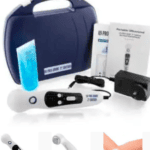
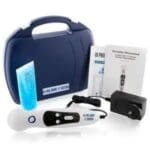
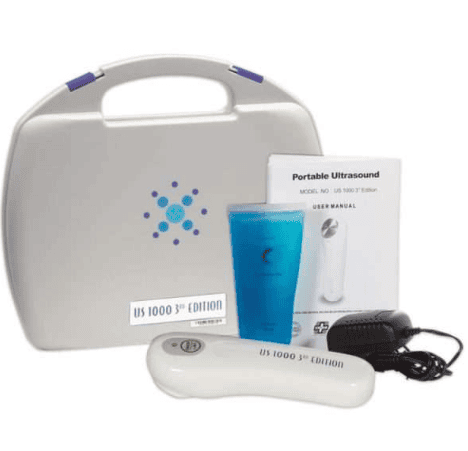
A physical therapy ultrasound machine has a small wand and a control box. The wand sends sound waves too high-pitched for you to hear. These waves travel into muscles, tendons, and ligaments. This is not the imaging scan used during pregnancy. It does not take pictures. It delivers gentle energy to the tissue.
Therapists usually choose between two modes. Continuous mode creates mild heat, which may ease stiffness and boost blood flow. Pulsed mode uses short bursts with very little heat, so it suits newer, more irritated injuries. We want to be honest here. Ultrasound research is mixed, and results vary from person to person. That is why a good therapist treats it as one piece of a larger plan.
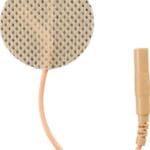
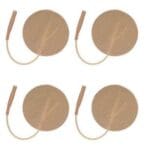
An EMS therapy machine sends small electrical pulses through pads on your skin. The pulses make the muscle tighten, much like a signal from your brain would. Therapists often use this after surgery, injury, or long rest, when a muscle has gone quiet.
Think of a knee after surgery. The thigh muscle often forgets how to fire on its own. EMS gives it a nudge, so your exercises work better. You control the intensity. It should feel like a strong tapping, never sharp pain.
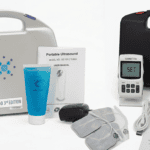
TENS focuses on pain instead of strength. It sends light pulses along your nerves to calm pain signals. A TENS EMS unit puts both options in one device, so you can switch between pain relief and muscle work. Therapists group all of these tools under one label. You will see them called e-stim units, which is short for electrical stimulation.
These tools are safe for most people when used correctly. Still, a few situations call for a doctor’s approval first:
Always follow your therapist’s settings. More power does not mean faster healing.
Some people prefer to continue care at home. If that is you, start with questions instead of features.
A home physical therapy ultrasound machine is usually smaller than a clinic model. Ask your therapist about settings before you try one.
It is a device with a handheld wand that sends high-frequency sound waves into soft tissue. Therapists use it to warm deep tissue, ease stiffness, and support healing. It is not the imaging type of ultrasound.
It warms or stimulates deep tissue, which can ease stiffness and boost blood flow. This helps muscles relax before stretching or exercise. Research results vary, so therapists use it as one part of a full plan.
Ultrasound uses sound waves to affect deep tissue. EMS uses electrical pulses to make muscles contract. One mainly eases stiffness and supports healing, while the other helps strengthen and retrain weak muscles.
It sends mild electrical pulses through skin pads to nearby nerves. The nerves signal the muscle to contract. This helps rebuild strength and control after injury, surgery, or long rest. You set the intensity.
People use it for back, neck, knee, and joint pain, plus muscle soreness. The EMS side supports weak muscles after injury or surgery. Always check with your doctor or therapist before starting.
Yes, often. A therapist may use ultrasound first to loosen tissue, then add electrical stimulation to ease pain or work muscles. The order and settings depend on your condition, so follow your therapist’s plan.
Look for adjustable intensity, several modes, a built-in timer, and quality electrode pads. Check for FDA clearance and clear instructions. Ask your therapist which settings fit your goal.
TENS targets pain signals. EMS makes muscles contract. Estim is short for electrical stimulation, so it covers both. Some e-stim units combine both modes in one device.
Look for 1 MHz and 3 MHz options, adjustable intensity, continuous and pulsed modes, a timer, and a sturdy wand. Get your therapist’s approval before using one at home.
No. People with pacemakers, pregnancy concerns, cancer in the treatment area, or certain blood clots should avoid them or get clearance first. Numb skin or open wounds also need care. Ask your doctor.
Recovery feels easier with the right tools and the right guidance. Start with your therapist’s advice. Then let us help you find the right fit. At TENSProducts, we have supplied drug-free pain relief and rehab products since 2003. We are a small, family-owned team, and we love helping you choose well. Whether you need an EMS therapy machine for muscle work or a physical therapy ultrasound machine for deep tissue care, we have options to explore.
Browse our ultrasound units, EMS and muscle stimulator units, and combination units. Enjoy free shipping on orders over $50. Have a question? Call us at (866) 449-1010, and we will happily point you in the right direction.