If you deal with sore muscles or nagging joint pain, you’ve probably wondered which device actually helps more. An electrode pad and an ultrasound machine both promise relief, but they work in completely different ways. We’re going to walk through both options step by step. By the end, you’ll know exactly which one fits your situation, or whether you need both.
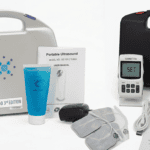
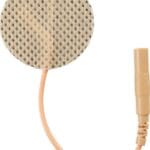
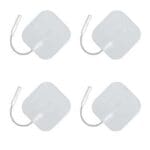
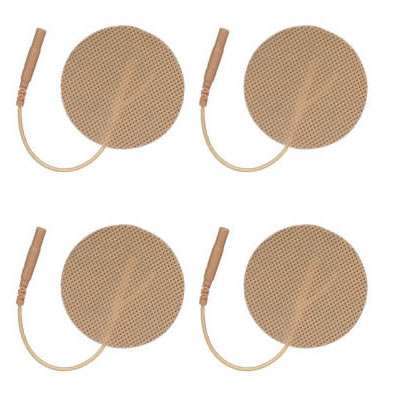
Electrode pads are small, sticky patches that connect to a TENS or EMS device. They sit right on your skin, usually near the sore spot. Once attached, the device sends tiny electrical pulses through the pads. These pulses travel into the nerves under your skin. This process can block pain signals before they ever reach your brain.
Some pads also trigger a mild muscle contraction. This is common with EMS settings, which help keep muscles active during recovery. A TENS EMS unit typically comes with a set of these pads included, since the device cannot work without them.
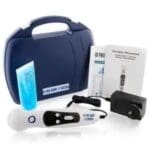
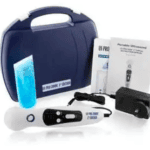
An ultrasound therapy machine works in a totally different way. Instead of electrical pulses, it uses high-frequency sound waves you cannot hear. A small device head, called a soundhead, presses against your skin with a bit of gel. That gel helps the sound waves travel smoothly into the tissue below.
These waves create a gentle warming effect deep inside muscles and joints. This warmth can improve blood flow and help relax tight tissue that sits deeper than a pad can reach.
Here’s a quick breakdown to make the differences clear.
| Feature | Electrode Pads (TENS/EMS) | Ultrasound Therapy Machine |
| How it works | Electrical pulses through the skin | Sound waves creating deep heat |
| Best for | Nerve pain, muscle activation | Deep tissue pain, stiffness |
| Treatment depth | Mostly surface level | Reaches deeper muscle layers |
| Typical session | Around 20 to 30 minutes | Around 5 to 15 minutes |
| Portability | Small, wearable, hands-free | Needs to be held in place |
| Common uses | Back pain, arthritis, post-surgery pain | Tendonitis, joint stiffness, muscle strains |
Neither option is better across the board. It really depends on where your pain sits and what caused it.
Electrode pads shine when you’re dealing with nerve-related pain or muscle weakness. If you’ve had surgery and need to keep a muscle active, EMS pads can help prevent it from losing tone. They also work well for people who want a hands-free option. Once the pads are in place, you can walk around, work at your desk, or run errands while treatment continues.
Common situations where pads help most:
Ultrasound therapy tends to work better for injuries sitting deeper in the tissue. Since the sound waves reach below the surface, they can target areas a pad simply cannot touch. Physical therapists often reach for a physical therapy ultrasound machine for conditions like tendonitis or bursitis. The deep heat helps loosen tight tissue and can support the body’s natural healing process.
This therapy tends to help most with:
You no longer need a clinic appointment for either treatment. A home ultrasound therapy machine now brings the same deep heat benefits into your living room, with simple controls built for everyday use. The same goes for electrode pads. Most TENS and EMS units are compact, battery-powered, and easy to use without any training.
A few things worth checking before buying either device:
Yes, and many people do. A therapeutic ultrasound unit can loosen deep tissue first. Then electrode pads can follow up by managing pain and keeping the muscle active. This combination often works better than using either device alone. The ultrasound handles the deep tissue side, while the pads handle pain signals and muscle support closer to the surface. If you’re new to both, start with one device at a time. Once you understand how your body responds, you can build a routine that uses both as needed.
Both devices are considered safe for most people when used correctly. Still, this is a health-related topic, so a few precautions matter. Avoid using either device over broken skin, open wounds, or areas with reduced feeling. Pregnant individuals and people with pacemakers or other implanted devices should talk to a doctor first. If pain gets worse instead of better, stop and check with a healthcare provider.
Electrode pads vs ultrasound therapy machine: which is better for pain relief?
It depends on the pain type. Pads work well for nerve pain, while ultrasound reaches deeper muscle and joint pain more effectively.
What is the difference between a TENS EMS unit and ultrasound therapy?
A TENS EMS unit uses electrical pulses through pads. Ultrasound therapy uses sound waves to create heat deep inside tissue.
Are electrode pads effective for muscle pain and back pain?
Yes, they are commonly used for both. They help block pain signals and can support muscle activity during recovery.
Does ultrasound therapy help reduce inflammation and injury pain?
Yes, the deep heat it creates can improve blood flow, which may help reduce inflammation and support healing.
Are TENS EMS units safe for daily use at home?
Most people can use them daily within recommended settings. Always follow the device manual and stop if pain increases.
What should I look for in a physical therapy ultrasound machine?
Look for adjustable intensity, a clear display, safety shut-off features, and a soundhead size that fits your treatment area.
Are there any side effects of using electrode pads?
Mild skin irritation near the pad site is the most common issue. This usually fades once you remove the pads.
Is ultrasound therapy safe for all types of pain?
No, it is not recommended over certain areas like cancerous tissue, pacemakers, or pregnancy without medical guidance.
Which device works faster for pain relief: TENS, EMS, or ultrasound?
TENS often brings quicker surface pain relief. Ultrasound tends to work more gradually on deeper tissue over several sessions.
Can you combine electrode pads and ultrasound therapy for better results?
Yes, many people use both. Ultrasound loosens deep tissue first, then pads help manage pain and support the muscle afterward.
We know how frustrating ongoing pain can be, and we believe you deserve treatment options that fit your life, not just a clinic schedule. That’s why we put together a full range of devices at TENSproducts, from electrode pads to ultrasound machines built for home use. Whichever path fits your needs, we’re here to help you find the right device and start feeling better on your own time.