To choose a home ultrasound therapy machine, match its frequency, intensity, and size to your condition. Then confirm it is safe for you with a clinician. The six steps below show you how.
This guide comes from a family-owned electrotherapy supplier that has served home users and clinicians since 2003. It supports people who want clear, practical pain management information.
| Key Takeaways Choose a home ultrasound therapy machine by matching its frequency, intensity, and size to your condition, then confirm safety with a clinician. Pick 1 MHz for deeper tissue and 3 MHz for shallow tissue.Check the output intensity. Most units top out near 2 W/cm².Compare ultrasound with an OTC TENS unit or prescription TENS machine, because each treats pain differently.Confirm FDA status, gel supply, and clinician approval before your first session. |
Gather a few details first. You will make better choices with them in hand.
Start with the problem, not the product. Ultrasound therapy is often used for muscle, tendon, and joint pain. Examples include tight shoulders, tendon soreness, and stiff knees.
Write down where the pain sits and how deep it feels. Deep pain points to different settings than surface pain. A clinician can confirm whether ultrasound fits your situation.
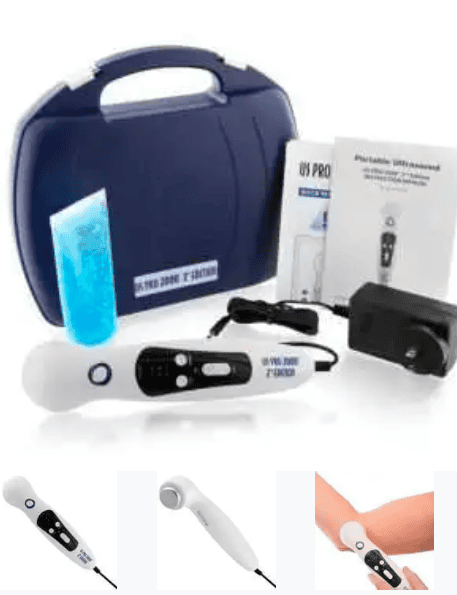
A therapeutic ultrasound unit sends sound waves through a handheld soundhead. These waves travel into tissue and create gentle vibration. That vibration can produce mild warmth.
Three specifications matter most:
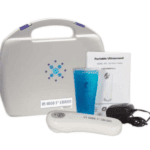
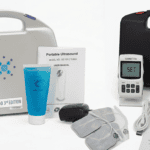
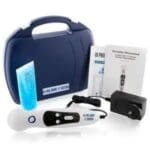
Regulation also matters. The FDA oversees these tools as medical devices. Look for clear labeling, safety instructions, and manufacturer contact details. All of these specs can feel overwhelming at first. If you want to compare real models, the ultrasound units from TENSProducts range from portable handhelds to clinic-grade systems. That page also lists the conductive gel you need for treatment.
Choose features that fit your daily routine. A simple unit is easier to use consistently. A complex unit may add settings you never touch. Check these points:
Ultrasound and TENS work in different ways. Ultrasound uses sound waves to reach deeper tissue. TENS sends small electrical pulses through the skin to interrupt pain signals.
| Feature | Ultrasound | OTC TENS Unit | Prescription TENS Machine |
| Energy used | Sound waves | Electrical pulses | Electrical pulses |
| Main aim | Deep tissue therapy | Surface pain relief | Pain relief, often with more settings |
| Needs electrode pads | No, uses gel | Yes | Yes |
| Access | Varies by device | No prescription | Prescription required |
The FDA regulates TENS devices for pain relief under 21 CFR 882.5890. Some are sold over the counter, and others need a prescription. Many people use both therapies for different needs.
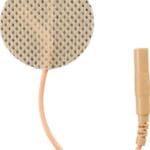
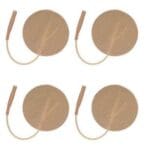
Accessories affect results and long-term cost. TENS units rely on electrode pads. These pads carry the electrical signal to your skin. Worn pads cause weak or uneven stimulation.
Ultrasound units need conductive gel instead. The gel removes air between the soundhead and your skin. Without it, the sound waves cannot travel into tissue. Before you buy, confirm that replacement pads, gel, and lead wires are easy to find. Our guide on choosing the right electrotherapy product can help you compare options.
Safety comes before convenience. Ask a clinician to review your plan, especially if you have a medical condition. Ultrasound is generally avoided over:
Keep the soundhead moving during treatment. Never hold it still on one spot. Stop if you feel burning, sharp pain, or numbness.
What is a home ultrasound therapy machine?
It is a handheld device that sends sound waves into soft tissue. People use it for muscle, tendon, and joint discomfort. It is designed for use outside a clinic.
How does a home ultrasound therapy machine work?
A soundhead converts electricity into sound waves. The waves pass through gel and skin, creating gentle vibration and mild warmth in deeper tissue.
What features should you look for when choosing a home ultrasound therapy machine?
Look for 1 MHz and 3 MHz options, adjustable intensity, a timer, and a comfortable soundhead. Easy replacement gel and clear instructions also help.
What is the difference between a home ultrasound device and a therapeutic ultrasound unit?
Both use sound waves. Therapeutic units usually offer more precise settings, such as pulsed modes and adjustable intensity. Simpler home devices focus on ease of use.
Can a home ultrasound therapy machine be used without professional guidance?
It is possible, but not wise. A clinician can confirm the right settings, treatment area, and session length. Guidance lowers the risk of misuse.
What safety precautions should you follow when using an ultrasound therapy machine at home?
Keep the soundhead moving, use gel, and follow the timer. Avoid sensitive areas, and stop if you feel pain or burning.
How do electrode pads work with TENS units?
Electrode pads stick to your skin and carry electrical pulses from the unit. Those pulses interrupt pain signals before they reach the brain.
What is the difference between an OTC TENS unit and a prescription TENS machine?
An OTC TENS unit is sold without a prescription and has simpler settings. A prescription TENS machine needs a clinician’s order and often offers more programs.
Can ultrasound therapy and TENS therapy be used together?
Yes, many people use both for different goals, often at separate times. Ask a clinician to build a safe schedule for you.
How can you determine whether a home ultrasound therapy machine is suitable for your needs?
Define your pain location and depth, review your health history, and compare device specs. Then ask a clinician to confirm the match.
Choosing the right device gets easier when you know what to look for. TENSProducts has supplied pain management products since 2003. Browse the full ultrasound unit lineup, then call or message the team with any questions about fit, gel, or accessories.