How Can Home Therapy Devices Support Physical Rehabilitation Goals?
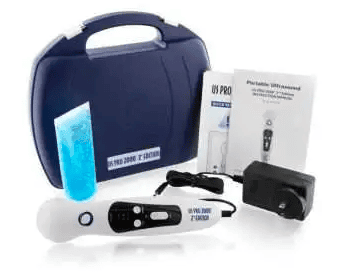
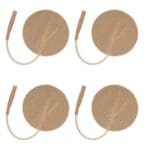
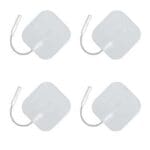
Home therapy devices simply help with rehab. They let you manage pain and keep muscles active between clinic visits. Tools like an electrode pad setup or a home ultrasound therapy machine stretch the benefits of in-clinic care into your everyday life.
TENS Products serves people who manage pain and recovery from home. It offers tools built for daily use. The goal is simple. Help you stay on track with rehab without a clinic visit every time.
Studies on rehab outcomes show something clear. Sticking with a routine helps recovery move faster. Patients who use home tools often heal at a steadier pace than those who only treat pain during scheduled visits.
Home therapy devices help physical rehab by keeping treatment steady between clinic visits. They ease pain and keep muscles active during recovery. They let you treat pain right when it starts.They keep muscles active between therapy visits.They cut down on how often you need to visit a clinic.They help you stick to your rehab plan.
Why Home Devices Matter for Rehab?
Rehab depends on repeat effort. Muscles need regular signals to rebuild strength. They also need help relearning movement. Skipping days can slow this process down a lot. A home ultrasound therapy machine lets you keep treating deep tissue between appointments. This helps you hold onto progress. You won’t lose ground while waiting for your next visit. Staying consistent also helps control pain. Treating pain early often keeps recovery on track. Waiting too long can let stiffness creep back in.
What a Real Recovery Week Might Look Like?
Rehab isn’t just one treatment. It’s a mix of small steps that add up. Here’s what a realistic week might look like for someone recovering from a knee injury. Monday might bring a clinic visit for hands-on therapy. Tuesday could be a rest day with light stretching. Wednesday might include a home ultrasound session to ease stiffness. Thursday could bring TENS use for pain, followed by simple strength exercises.
This kind of pattern isn’t about doing more. It’s about doing the right things on the right days. Small, steady steps often beat big pushes followed by burnout.
How Do These Devices Actually Work?
Most home devices use electrical signals or sound waves. These reach tissue below the skin. A TENS-style device sends pulses through electrode pads. This blocks pain signals at the nerve level.
Ultrasound devices work in a different way. They use sound waves to make gentle heat deep inside muscle tissue. This heat improves blood flow. Better blood flow speeds up healing. Both types need steady skin contact to work well. A loose pad or weak gel connection cuts down on how much signal gets through. This is why setup matters just as much as the device itself.
A Common Mistake Patients Make
Many people assume more treatment always means faster healing. This isn’t true. Overusing a device can irritate the skin. It can also tire out muscles that need rest to repair.
The better approach is following a set schedule. Most devices work best with regular, moderate use. Not constant use. Checking in with a therapist helps confirm the right amount for each stage of recovery. Rest days matter just as much as treatment days. Muscles rebuild during rest, not just during activity.
Where These Devices Fit Into a Rehab Plan?
Rehab plans usually combine several methods. In-clinic sessions handle hands-on therapy and guided exercise. Home devices fill the gap between those visits. A simple weekly plan might include:
1. In-clinic sessions for therapy and progress checks
2. Home ultrasound sessions for deep tissue support
3. TENS or EMS use for pain relief and muscle activity
4. Rest days to avoid overuse
Anyone building a home routine should pick devices that match their specific needs. For patients exploring options that pair well with a physical therapy plan,this collection of electrotherapy devices is worth a look before adding a new tool to the mix.
Setting Up a Home Device the Right Way
Good results start with proper setup. Skin should be clean and dry before using therapy electrode pads or ultrasound gel. Oils, lotion, or sweat can weaken the contact.
Pad placement matters too. Devices usually come with guides. These show where to place pads for certain muscles or pain spots. Following these guides closely leads to better, more predictable results.
Tracking your response also helps. Write down pain levels or muscle tiredness after each session. This makes it easier to spot patterns and adjust settings over time.
Staying Safe With Home Rehab Devices
Home devices are safe for most people, but care still matters. Anyone with a pacemaker, epilepsy, or certain heart conditions should check with a doctor first. Pregnant patients should also get medical advice before use.
Never use a device over open wounds or broken skin. Avoid areas with poor blood flow too. Following the instructions that come with the device helps prevent irritation. Checking in with a physical therapist often helps confirm the routine still fits the current stage of recovery. Needs often shift as healing moves forward.
FAQs
1.Can home therapy devices replace physical therapy?
No, home devices support physical therapy. They don’t replace it. They work best alongside guided treatment from a licensed therapist.
2. How often should home therapy devices be used?
Most patients use them a few times a week. This depends on a therapist’s guidance. Overuse can irritate skin or lower results.
3.Is a home ultrasound therapy machine safe to use alone?
Yes, when used the right way. Following the instructions and checking with a doctor for specific health conditions helps keep use safe.
4. Do electrode pads need to be replaced often?
Yes. Pads lose their stick over time. Replace them every few weeks to keep good contact and better results.
5. What conditions benefit most from home rehab devices?
Muscle strains, joint stiffness, and post-surgery recovery often respond well. A doctor or therapist can confirm if it fits a specific condition.
Final Thoughts
Home therapy devices give people a real way to stay on track with rehab goals. Steady use of tools like electrode pads and ultrasound machines helps hold onto progress between clinic visits.
Ready to build a routine that actually fits your recovery? Talk to your physical therapist about which home tools make sense for your stage of healing, then browse TENS Products to find electrotherapy devices that support your next step forward.