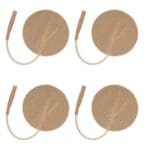
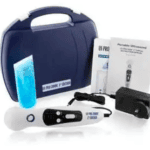
How Can Self-Adhesive Electrode Pads Improve Home Therapy Sessions?
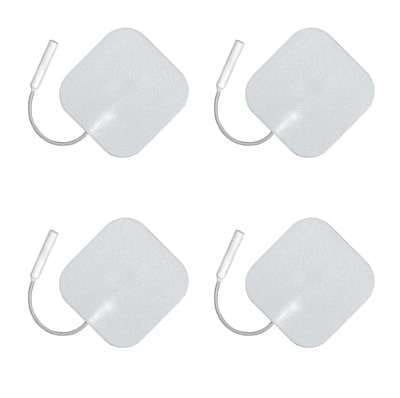
Self-adhesive electrode pads make home therapy sessions more comfortable and more effective. They stick to the skin without extra tape or gel. This means a steadier connection and better results during each session.
TENS Products supports people managing pain and recovery from home. The company focuses on electrotherapy tools that help patients get clinic-level care without leaving the house. This includes devices and accessories built for daily use, not just occasional treatment.
Self-adhesive electrode pads improve home therapy sessions by keeping steady skin contact, reducing pain during use, and delivering more consistent results. They stay in place better than older pad types, so treatment doesn’t get interrupted.They lower skin irritation because the gel is gentler and better suited for repeat use.They deliver a more even electrical signal, which makes therapy electrode pads more effective.They save money over time since they can be reused for weeks with proper care.
Studies on electrode-skin contact show that poor contact increases resistance and weakens signal quality. A stronger, steadier connection means the device works the way it’s supposed to. This is one reason pad quality matters just as much as the device itself.
Why Does Electrode Pad Quality Affect Home Therapy Sessions?
Not all pads are built the same. Cheaper pads often lose stickiness fast. This forces users to press down during treatment, which can shift the pad and disrupt the signal. Good therapy electrode pads stay put through movement. This matters for treatments that last 15 to 30 minutes. A pad that slips even slightly can reduce how much of the treatment area gets proper stimulation.
Skin also reacts differently to different pad materials. Softer, gel-based adhesives cause less irritation over repeated use. This makes a real difference for anyone doing daily or near-daily sessions.
How Do Electrode Pads Actually Work?
Electrode pads carry an electrical signal from the device to the body. The pad’s adhesive gel bridges the gap between the electrode and the skin’s surface. Skin has natural resistance, known as impedance. High impedance blocks part of the signal from reaching the target tissue. A well-made pad lowers this resistance, so more of the signal gets through where it’s needed.
This is why pad placement and pad quality both matter. Even a great device won’t perform well if the pad connection is weak. Consistent contact is the foundation of consistent results.
What Makes a Pad “Self-Adhesive” and Why It Matters?
Self-adhesive pads use a gel layer that sticks directly to skin. No tape or straps are needed. This design offers a few clear advantages. Here’s what self-adhesive pads typically offer:
Faster setup — pads go on in seconds, with no extra tools.
Better skin contact — the gel molds to the skin’s surface for a steady connection.
Reusability — many pads can be used multiple times before needing replacement.
Comfort — soft adhesive reduces pulling or pinching during removal.
These features add up to a smoother, less frustrating home therapy routine.
Choosing the Right Pads for Home Devices
Pad size and shape should match the treatment area. A pad too small won’t cover enough surface. A pad too large may overlap nearby muscles or joints. Anyone using a home ultrasound therapy machine or a TENS-style device should check pad compatibility before buying. Pads made for one device don’t always fit another brand’s connector type.
For those exploring compatible accessories,this collection of electrotherapy devices covers a range of options built for home use, and it’s worth taking time to compare features before choosing one. Replacing pads on schedule also matters. Worn-out adhesive reduces contact quality even if the pad looks fine on the surface.
Getting the Most Out of an Ultrasound Therapy Machine at Home
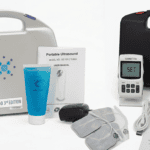
An ultrasound therapy machine works differently from TENS or EMS pads, but skin contact still plays a role in results. Clean, dry skin helps the ultrasound gel transmit sound waves evenly.
Pairing a home ultrasound routine with quality electrode pads for other treatments creates a more complete pain management setup. Many users combine both tools across a weekly routine, using ultrasound for deep tissue work and pads for nerve or muscle stimulation. Following the device’s instructions closely helps avoid uneven treatment or reduced results.
FAQs
1.How long do self-adhesive electrode pads last?
Most pads last two to four weeks with proper care. Storing them in a cool, dry place and keeping the backing on between uses helps them stay sticky longer.
2.Can electrode pads be reused?
Yes, most self-adhesive pads can be reused several times. Replace them once they lose stickiness or show signs of wear on the gel surface.
3.Why do electrode pads stop sticking?
Pads lose stickiness from exposure to air, oils on the skin, or dust collecting on the adhesive. Storing them properly after each use helps extend their life.
4.Do electrode pads work on all skin types?
Most pads work well on typical skin, but sensitive skin may need hypoallergenic options. Testing a small area first can help avoid irritation.
5. Is skin preparation needed before applying pads?
Yes, clean and dry skin improves contact and adhesion. Removing lotion, sweat, or oil before applying pads helps the treatment work as intended.
Treat Your Pain With Better Equipments
Self-adhesive electrode pads play a bigger role in home therapy than most people expect. Better contact means better results, and better materials mean fewer interruptions during treatment.
Anyone building a home therapy routine should pay attention to pad quality, not just device features. For those comparing options and building out a home setup, TENS Products offers accessories and devices designed to support consistent, comfortable treatment.